Guides
Microdermabrasion and superficial peels smooth skin by removing its top layers
Microdermabrasion and superficial chemical peels are gentler ways to resurface skin, and they can be done safely in people with dark skin when handled carefully [1]. For stretch marks, no fully effective treatment has emerged [2].
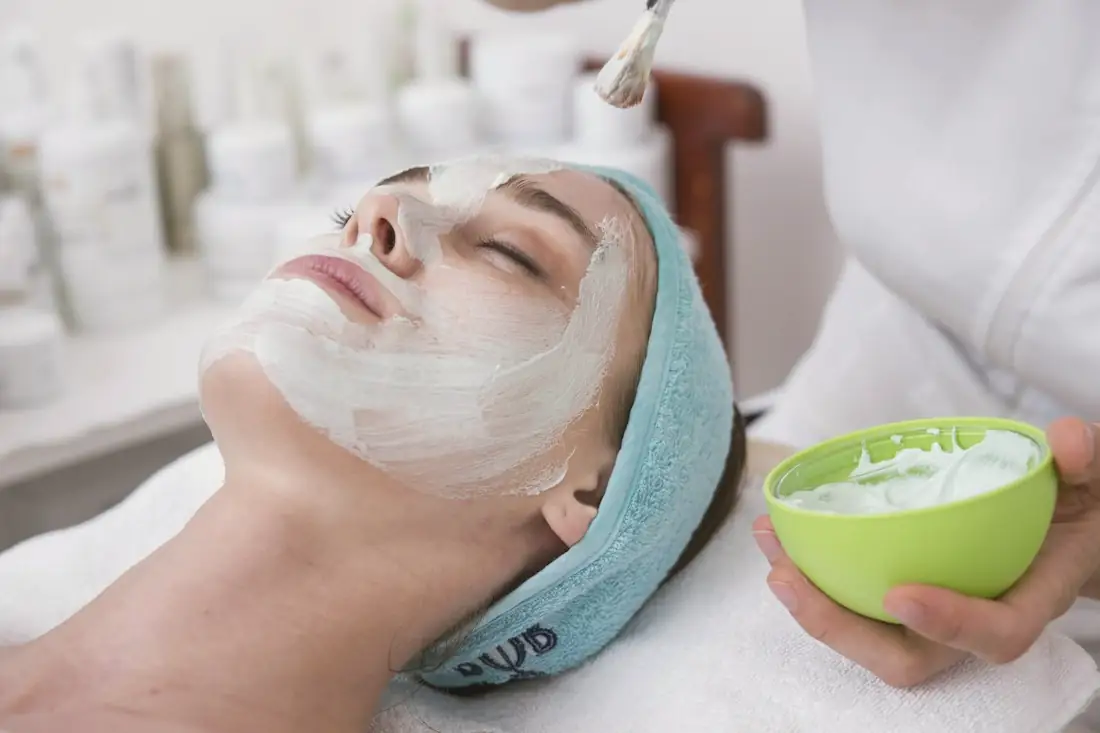
Superficial peels and microdermabrasion work on the top layers of skin
A chemical peel is an exfoliating agent that removes part of the thickness of your skin. How deep it goes decides how much risk comes with it [1].
| Depth | What it reaches | Advice for dark skin |
|---|---|---|
| Superficial | Outer layer down to the upper part of the deeper layer [1] | Can be done safely [1] |
| Medium | Into the upper part of the deeper layer [1] | Use with extreme caution [1] |
| Deep | Down to the middle of the deeper layer [1] | Avoid at all times [1] |
Microdermabrasion sits in the same gentle group as superficial peels. It can also be done safely in dark-skinned patients [1].
Glycolic acid is the most commonly used chemical peel. The goal is mild redness. A clinician should watch for blistering, blanching or excessive discomfort, which are signs the peel is going too far [1].
Dermabrasion sands the skin and most people return to normal activities in about 2 weeks
Dermabrasion is the removal of the top layers of the skin [4]. A doctor uses a special device to sand the top surface of the skin down to healthy skin. It is usually done in a doctor's office or an outpatient clinic [4].
You will likely be awake, with numbing medicine on the treated skin. Sedatives or general anesthesia are options for a complex procedure [4]. Other treatments, such as lasers, chemical peels or medicine injected into the skin, may work for many of the same problems [4].
- Your skin will be red and swollen. The swelling usually goes away within 2 to 3 weeks [4].
- Most people return to normal activities in about 2 weeks, but should avoid anything that could injure the treated area [4].
- Avoid ball sports such as baseball for 4 to 6 weeks [4].
- Your skin will turn red when you drink alcohol for about 3 weeks [4].
- Protect your skin from the sun for 6 to 12 weeks or until your skin color has returned to normal [4].
Risks include lasting skin color changes, where skin stays lighter, darker or pinker, and scars. If you have had cold sores, your doctor may give you antiviral medicine to prevent an outbreak [4].
Darker skin raises the chance of color changes after resurfacing
People with dark skin are at greater risk of dark patches after dermabrasion [4]. Side effects after cosmetic procedures are found more often in dark-skinned patients. They include darker or lighter patches, permanent loss of color, texture change, raised scars and keloids [1].
The reason is melanin. Higher melanin content raises the risk of non-specific heat injury to the skin [1].
- Longer gaps between treatments are recommended [1].
- Priming agents such as hydroquinone cream or retinoic acid cream before a peel were linked in one study to fewer dark patches afterward [1].
- Sun protection is recommended [1].
- Lasers and energy-based devices need caution. High energy settings, stacked pulses, short wavelengths and short gaps between sessions should be avoided [1].
Peel strength matters too. In one study of salicylic acid peels in patients with dark skin, some had pigment complications. Higher concentrations penetrate deeper, and deeper penetration carries more risk of side effects [1].
Pregnancy changes which skin procedures doctors consider appropriate
If you are pregnant, the general advice is to postpone aesthetic procedures [3]. Chemical peeling and other cosmetic procedures are classed as elective, meaning they can wait until after delivery [3].
Some data point to caution rather than a ban. Chemical peeling, botulinum toxin and microdermabrasion are described as safe but needing a cautious outlook [3]. Glycolic acid is a superficial peel considered safe in pregnancy because very little of it passes into the deeper skin [3].
Pregnancy also makes pigment cells more active, which raises the risk of dark patches. Wound healing can change too, with a greater tendency toward raised scars and keloids [3].
Microdermabrasion appears among the options for stretch marks and keratosis pilaris
Stretch marks are visible linear scars from excessive stretching of the skin. Despite several advances, no fully effective treatment has emerged. Microdermabrasion is among the options that have been used with variable success [2].
Many stretch mark products are backed by small studies and case reports, and some are hyped by manufacturers [2]. Pubertal stretch marks become less noticeable with time, and pregnancy stretch marks tend to improve somewhat after delivery [2].
Keratosis pilaris is a common condition of small rough bumps around hair follicles. Hydrating the skin, avoiding long baths or showers and using mild soaps are recommended. Topical keratolytic agents, which loosen rough skin, are first-line therapy. Microdermabrasion is an option when topical treatment has not worked [5].
A dermatologist can answer these questions before you book a resurfacing treatment
- How deep will the peel or procedure go? Medium-depth peels need extreme caution and deep peels should be avoided in dark skin [1].
- Should I use a priming cream before a peel to lower the chance of dark patches [1]?
- How long should I wait between sessions [1]?
- What sun protection do I need, and for how long [4][1]?
- Would a laser, chemical peel or injected medicine suit my skin problem better [4]?
- Should I take antiviral medicine because I have had cold sores [4]?
- What happens if I am pregnant or may become pregnant [3]?
- Which skin care steps should I follow after I go home [4]?
Red swollen skin that lasts after healing begins is a reason to call your doctor
Call your doctor if your skin stays red and swollen after healing has started after dermabrasion. It may be a sign that abnormal scars are forming [4].
Treatment may be available for abnormal scars, so telling your doctor early matters [4].
Sources
- Cosmetic Considerations in Dark-Skinned Patients, Clinical, cosmetic and investigational dermatology
- Striae Distensae Treatment Review and Update, Indian dermatology online journal
- Dermatologic and Cosmetic Procedures in Pregnancy, Journal of cutaneous and aesthetic surgery
- Dermabrasion: MedlinePlus Medical Encyclopedia, medlineplus.gov
- Keratosis pilaris: an update and approach to management, Italian journal of dermatology and venereology