Guides
Chemical peels treat skin concerns at different depths with different risks
A chemical peel puts a solution on the skin to remove its outer layers, and the depth of the peel largely decides how well it works and how risky it is [1]. The conditions it can treat, the risks and the questions below can help you prepare for a visit.
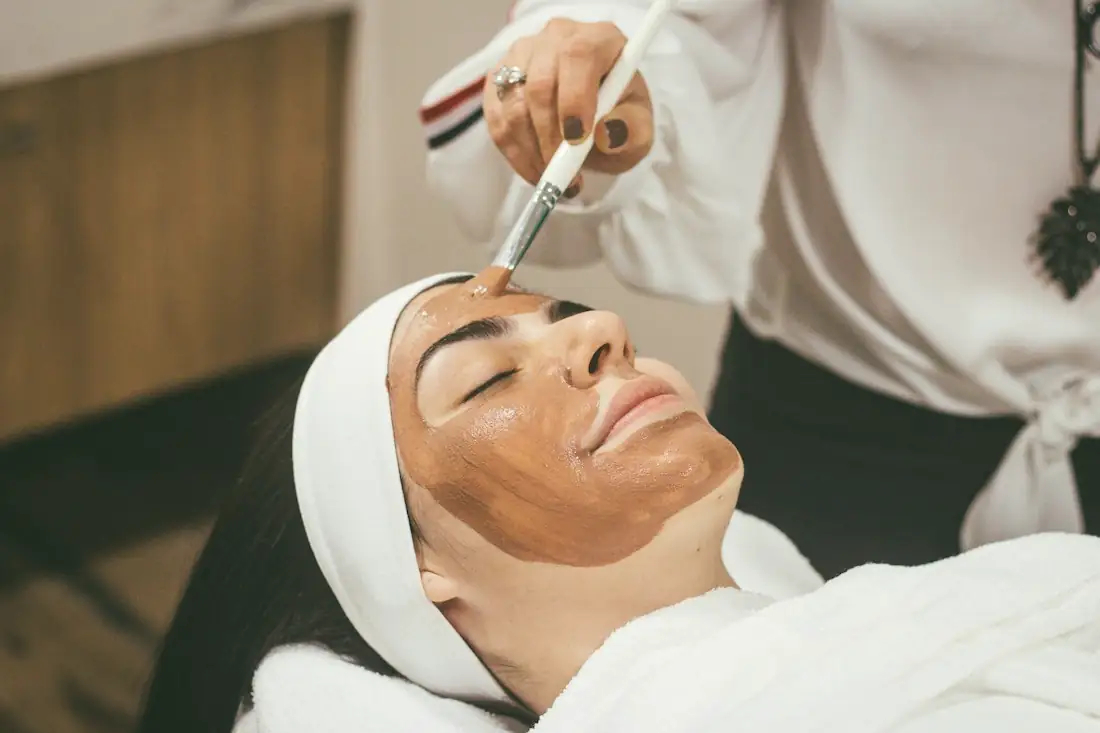
Chemical peels can treat many cosmetic and medical skin conditions
Dermatologists use peels for both cosmetic and medical skin problems. A review of peels in men describes them as a cost-effective and reliable treatment for a variety of such conditions [2].
- Acne and acne scarring [2].
- Rosacea, a condition that causes facial redness [2].
- Keratosis pilaris, small rough bumps on the skin [2].
- Melasma, which causes brown patches on the face [2].
- Actinic keratosis, a rough sun-related spot that can turn into skin cancer [2][1].
- Photodamage, meaning skin changes from sun exposure [2].
- Surgical scars and the skin around the eyes [2].
Peels are often combined with other nonsurgical cosmetic procedures to improve results [2].
Peel depth determines how long healing takes and how risky the peel is
Peels are grouped as superficial, medium or deep. Improvement generally matches how far the peel reaches into the skin [1].
| Depth | How far it reaches | Healing and risk |
|---|---|---|
| Superficial | Outer skin layer, from the granular layer to the basal layer [1] | Heals faster and is considered safer, but often needs repeat sessions [1] |
| Medium | Into the dermis, the deeper layer of skin, down to the upper reticular dermis [1] | Usually one application, longer healing, more risk of infection [1] |
| Deep | Down to the middle of the reticular dermis [1] | Usually one application, longer healing, more risk of infection [1] |
Men may need more treatments or stronger peeling agents
Skin differences can change the plan. Men may need more treatments or a higher concentration of peeling agent because their skin tends to be oilier and has more hair follicles [2].
Demand for noninvasive cosmetic procedures among men is rising, and the review says dermatologists should understand how to apply peels to male patients [2].
Tretinoin peels show benefit for melasma and skin aging in most studies
Tretinoin is a vitamin A-related medicine that can be used as a superficial peel. Most studies of it show benefit for melasma and skin aging [1].
The research is not settled. Reviewers call for better study designs that compare concentration, vehicle and treatment schedule [1]. Whether a high-strength peel beats daily low-strength cream is still debated [1].
One study found that a 1% tretinoin peel was less irritating than a 70% glycolic acid peel. Both reduced pigment about equally in melasma [1].
Recovery after a peel brings redness and swelling that need a plan
Healing after resurfacing procedures, including chemical peels, can involve redness, a temporary break in the skin barrier, swelling, crusting and new skin growing back [3]. Slow healing is a leading reason people are unhappy with a procedure [3].
Dark patches after the skin heals, called post-inflammatory hyperpigmentation, occur at disproportionately high rates in Fitzpatrick skin types III to VI after aggressive resurfacing. This is especially true for patients with darker skin [3].
Medium and deep peels have longer healing times, which brings more risk of infection [1].
Aftercare is often built around emollients, broad-spectrum sunscreens and sometimes topical corticosteroids, and the evidence for this care is described as more empirical than firmly established [3].
A chemical peel raises questions you can bring to your dermatologist
- Which depth of peel do you recommend for my goal, and how long will healing take? [1]
- How many sessions will I need, and how far apart? [1]
- What concentration of peeling agent will you use, and why? [2][1]
- Does my skin type raise my risk of dark patches afterward? [3]
- Will you combine the peel with other procedures? [2]
- What aftercare should I follow, including sunscreen? [3]
- What evidence supports this peel for my condition? [1]
These questions matter because the right depth, strength and number of treatments differ by condition, by skin and by person [2][1].
Sources
- Tretinoin peel: a critical view, Anais brasileiros de dermatologia
- Chemical Peels: Indications and Special Considerations for the Male Patient, Dermatologic surgery : official publication for American Society for Dermatologic Surgery [et al.]
- Polydeoxyribonucleotide (PDRN) in Post-procedure Recovery in Aesthetic Medicine: A Narrative Review, Cureus