Guides
Acne scars respond to treatments that match the scar type
Acne scars can be treated, but the right option depends on the type of scar you have [1]. Microneedling, radiofrequency microneedling, chemical peels and light therapy work in different ways and carry different risks [2][3][4][5].
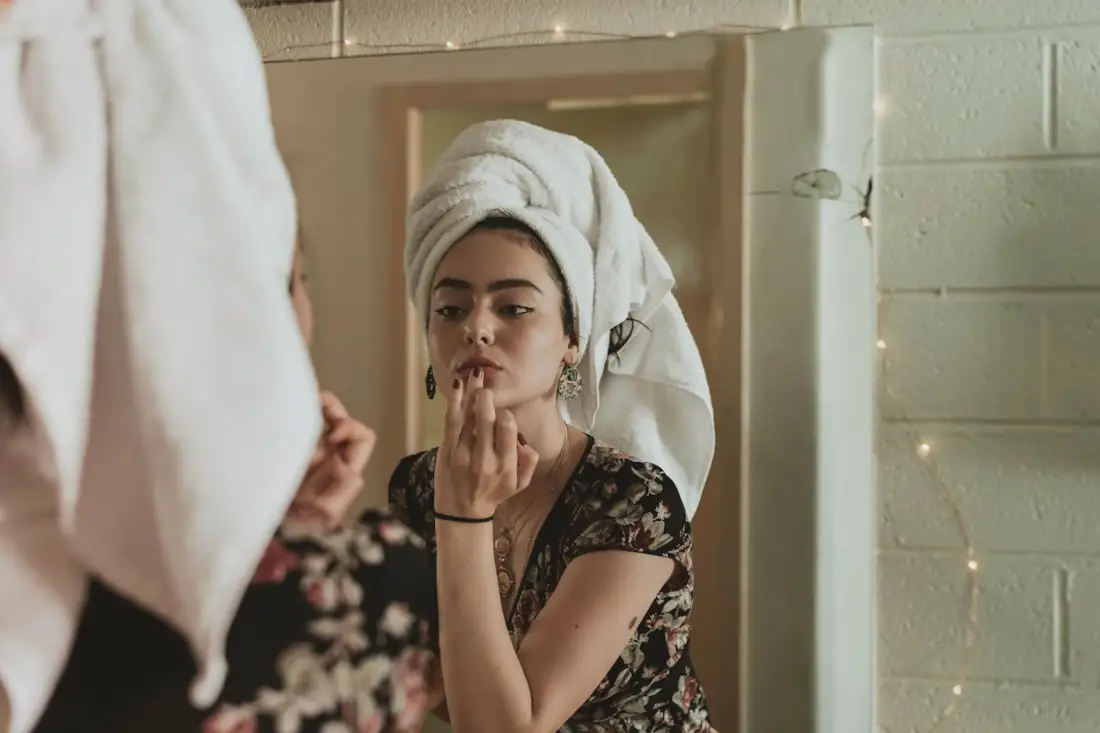
Acne scarring can follow even well-controlled acne
Acne scarring is common. It can occur even when acne is managed effectively [1]. People living with acne scars often carry a heavy emotional burden, including depression and suicidality [1].
Scar treatment is often overlooked in patients seen for acne [1]. Dermatologists can use scar assessment tools and identify the specific scar subtype, which allows a tailored approach [1]. The two broad groups are textural scars and pigmented scars [1].
Microneedling uses fine needles to start collagen production
Microneedling is a minimally invasive procedure. Fine needles puncture the epidermis, the outer layer of skin [4]. The tiny wounds stimulate growth factors and collagen production [4].
The epidermis stays relatively intact, which helps limit side effects [4]. Studies support microneedling for scars, acne, melasma, sun damage and skin rejuvenation [4]. The review authors still call for larger randomized trials, including in different skin types [4].
Radiofrequency microneedling builds results slowly
Radiofrequency microneedling adds energy delivered through the needles. A review that kept only higher-quality studies found 42 of them, and 7 looked at acne scars [2]. The authors concluded it is effective and can be used repeatedly and safely, including alongside other treatments and in people with darker skin tones [2].
Peels and light treatments suit different scar depths and risks
No single option fits every scar, because treatments differ in depth and risk [3][5]. The table below compares the main choices [2][3][4][5].
| Option | What it does | What to weigh |
|---|---|---|
| Microneedling | Fine needles trigger growth factors and collagen [4] | Temporary redness is common [4] |
| Radiofrequency microneedling | Needling with energy; remodeling is slow [2] | Studied in darker skin tones [2] |
| Chemical peel | Chemical agents exfoliate skin and prompt new collagen [5] | Depth is chosen to match the problem [5] |
| Low-level light therapy | Red and near-infrared light; helps acne scars and hypertrophic (raised) scars [3] | Results depend on dose and skin preparation [3] |
| Ablative laser resurfacing | Removes the epidermis to promote collagen [3] | Intensive aftercare and prolonged downtime [3] |
Peels are grouped by depth. Superficial peels are mainly used for acne, dark marks after inflammation and melasma [5]. Medium-depth peels mainly treat sun-related spots and growths, pigment problems and superficial scars [5]. Deep scars or wrinkles need a deep peel [5].
Light therapy results vary. Many published studies on it include negative results, possibly from a poor choice of light source or dose [3]. Makeup left on the skin and skin pigmentation can also affect results [3]. Many LED devices are sold online for home use [3].
Ablative laser resurfacing carries risks of infection and burns
Gentler treatments carry milder risks. With microneedling, permanent side effects are uncommon [4]. Temporary redness and dark patches after inflammation are reported more often [4].
Ablative resurfacing carries more. Its listed complications include long-lasting redness, pain, infection, bleeding, oozing, burns, lighter or darker skin patches and scarring [3]. Light therapy set too high can damage tissue [3].
A dermatologist can answer these questions before you start
- Which scar subtype do I have, and which treatments fit it [1]?
- How deep does this treatment work, and does that match my scar [5]?
- Is this safe and effective for my skin tone [2][4]?
- How much aftercare and downtime should I plan for [3]?
- How many sessions might I need, and how long before I see change [2]?
- Can this be combined with other treatments [2]?
- How are the device settings chosen and the equipment maintained [3]?
Bring these questions to a visit. They line up with the points where the evidence says results and risks differ [2][3][5].
Sources
- Acne scarring-pathophysiology, diagnosis, prevention and education: Part I, Journal of the American Academy of Dermatology
- Radiofrequency Microneedling: A Comprehensive and Critical Review, Dermatologic surgery : official publication for American Society for Dermatologic Surgery [et al.]
- Low-level laser (light) therapy (LLLT) in skin: stimulating, healing, restoring, Seminars in cutaneous medicine and surgery
- Microneedling: A Comprehensive Review, Dermatologic surgery : official publication for American Society for Dermatologic Surgery [et al.]
- Chemical peeling for acne and melasma: current knowledge and innovations, Giornale italiano di dermatologia e venereologia : organo ufficiale, Societa italiana di dermatologia e sifilografia